
Parents often hear phrases like “big feelings” and “normal child development,” yet still find themselves staring at a child’s reaction and wondering what just happened. This becomes even more true when caring for children who have lived through trauma. A raised voice can create panic, and a simple instruction can lead to a reaction that seems too large for the moment. Defiance can be fear, and attitude can be anxiety.
In this guide, we will help you understand the difference between typical behavior and trauma-driven behavior. When you can see the need behind the behavior, it becomes easier to respond with patience and confidence.
How Trauma Affects the Brain
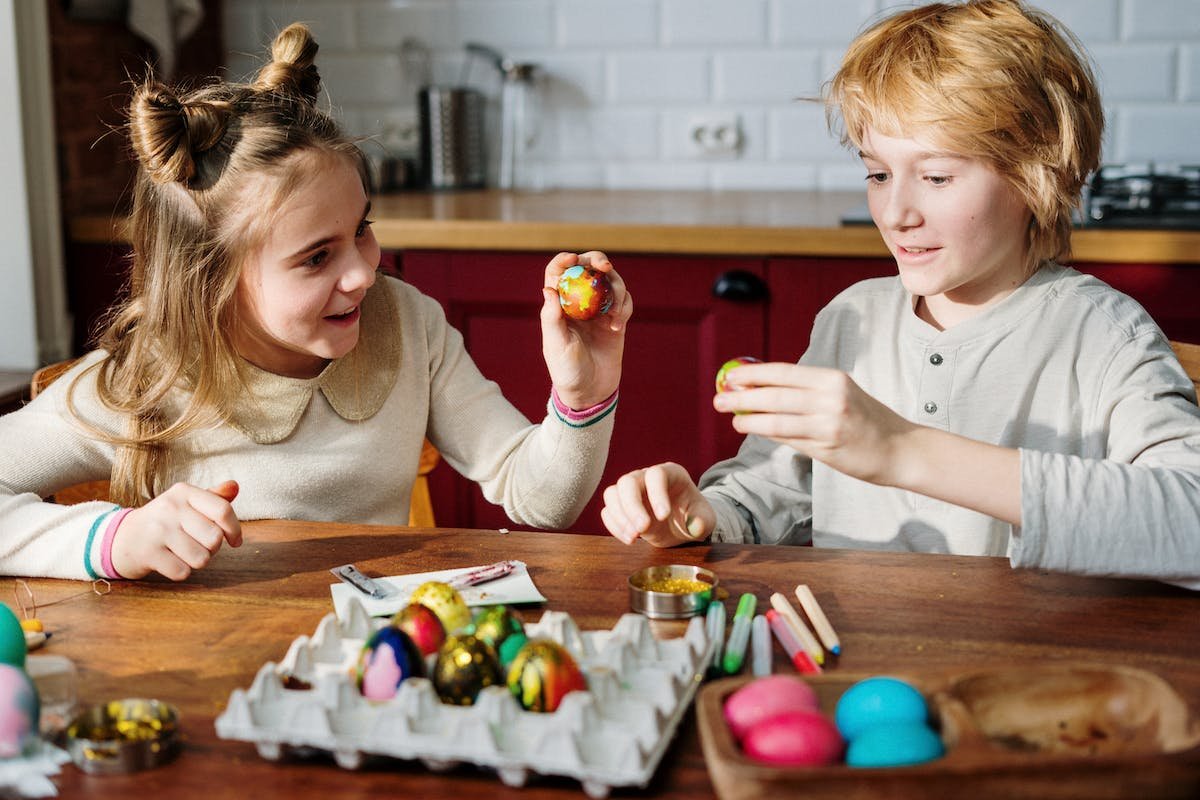
A child who has lived through trauma often operates with a nervous system that stays on high alert. The brain learns to react quickly because danger once appeared without warning, so safety becomes something the child must constantly check. This can cause the child to misread tone or facial expressions, and it can make neutral moments feel threatening.
Many parents describe these reactions as sudden. A child can be calm one minute and overwhelmed the next. The behavior may seem intentional, yet it is usually automatic. The child is responding to a feeling of danger rather than the situation in front of them. Understanding this helps reduce frustration and brings more empathy into your home.
Meltdowns and Emotional Reactions
Meltdowns are common in childhood, yet trauma can change the way they appear. A typical meltdown often comes from frustration or tiredness. A trauma-driven meltdown often comes from fear of change or fear of losing control. Something simple like rearranging a schedule or altering a routine can create a sense of instability. The child’s nervous system reacts to the change as if something dangerous is happening.
Parents may notice that logic does not calm the child during these moments. The child is not ignoring you but feeling overwhelmed. Once the body settles, the mind becomes more open to connection. Staying calm and staying near helps the child feel safe again.
Refusal and Resistance
Children say no for many reasons. Some children test limits because they are growing, while some avoid tasks because they feel bored or distracted. In children with trauma, refusal often has a different meaning. The word “no” can be a way to protect themselves. Children who have lived in unsafe environments often feel the need to control what happens to them. Following instructions can feel risky, even when the request is simple.
This kind of resistance is not disrespect. It is a survival pattern that once kept the child safe. When you offer choices and give clear expectations, you reduce the sense of threat. The child begins to see that adults can guide them without harming them.
Honesty and Truth-Telling

Lying is a normal part of childhood development. Children often lie to avoid consequences or to protect their self-image. In children with trauma, lying can become automatic. They may lie even when there is no risk of punishment. They may answer quickly to avoid disappointing you, or they may change their story if they sense tension in your voice.
These lies are not meant to manipulate you, but to protect themselves from harm. It helps to slow down the moment and speak gently. When children believe the adult is calm and consistent, they feel safer telling the truth.
Clinginess and Attachment-Seeking
Clinginess is common in younger children. They want reassurance when they feel tired or unsure. For children with trauma, clinginess may be tied to deeper fears. These children may worry about being left behind. They may ask where you are going or when you will return, even when you have answered the question before. Their need for closeness can feel constant.
This behavior is not attention-seeking, but connection-seeking. The child is trying to make sure they still matter. Predictable routines and simple reminders of your presence help build trust. Over time, the child learns that secure connections can stay steady.
Extreme Independence
Many children enjoy doing things by themselves. They want to choose their clothes or prepare their snacks. In children with trauma, independence can develop into a protective habit. These children may refuse help because accepting support once felt unsafe. They may complete tasks alone even when they struggle, and may avoid asking questions to prevent frustration.
This independence can look confident on the surface, yet it often hides fear. When you offer help gently, the child may slowly learn that support does not lead to harm. Encouraging teamwork in simple moments helps soften the wall the child has built.
Why Trauma Can Look Like Misbehavior
Trauma influences how a child views the world. A child may react strongly to a raised eyebrow or a shift in tone. A child may become overwhelmed when corrected or may shut down when asked a question. These reactions are often signs of stress rather than defiance. The child is trying to stay safe in the only way they know.
Parents sometimes feel confused because the behavior appears inconsistent. The child may be calm one day and reactive the next. This is normal in healing. Trauma affects memory, attention, and emotional control, so progress does not always move in a straight line. What matters most is the relationship, not perfection.
Responding with Calm and Clarity
Responding to trauma-driven behavior requires patience. Staying calm helps the child settle. Simple phrases like “You’re safe,” or “I’m here,” reassure the nervous system. Short instructions and a gentle tone help the child process what you are saying. Predictable routines help the child feel steady.
Giving small choices supports the child’s need for control, while preparing them for transitions reduces fear. Acknowledging small improvements boosts confidence. These responses help the child’s brain form new patterns, guiding them from survival toward trust.
Signs of Healing
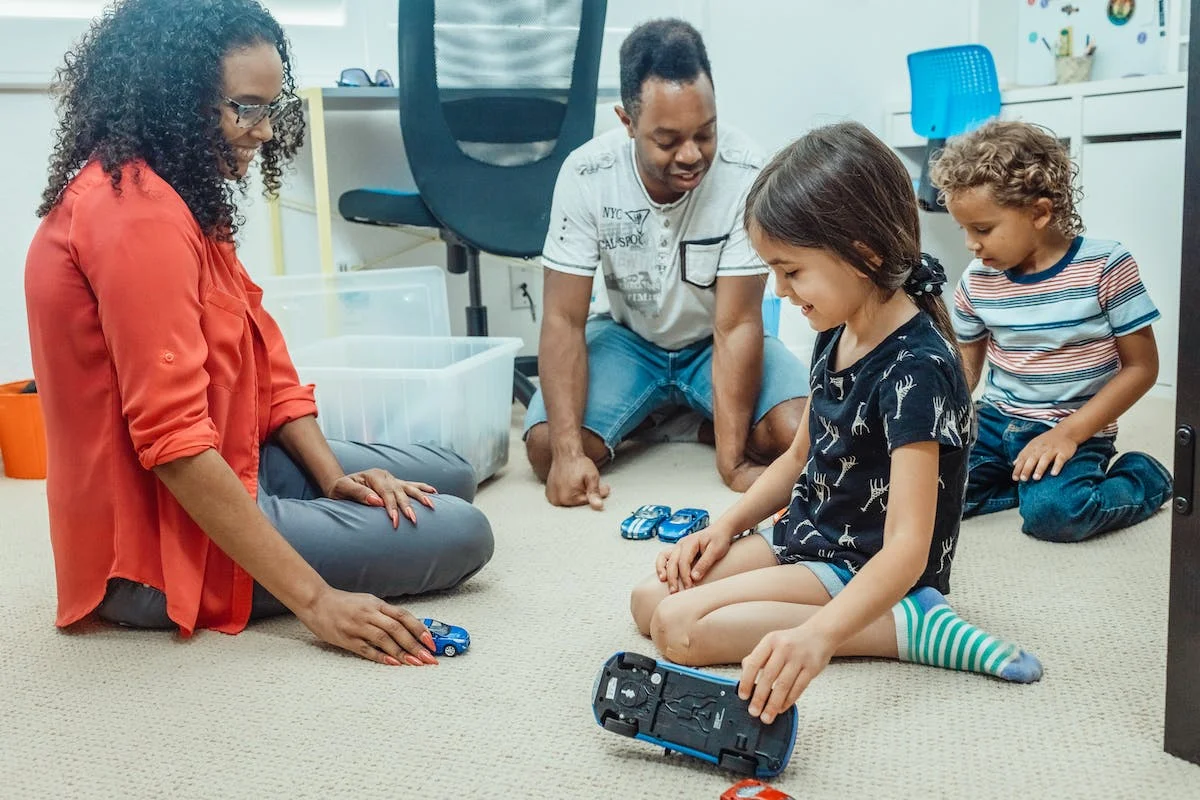
Healing is rarely dramatic. It is quiet and gradual. A child may pause before reacting, ask for help instead of shutting down, show honesty where lying once felt easier, or offer small signs of affection after long periods of distance.
These changes show connection taking root and safety becoming familiar. The child begins to see that good things can last, and trust grows when adults respond with steadiness and care.
Seeing the Child Behind the Behavior
Understanding whether a behavior is typical or trauma-driven helps you respond with compassion. You notice the child’s fear and address it with steady care, creating a sense of safety. Children who have lived through trauma do not need perfect parents. They need calm voices and consistent routines, as well as gentle correction and steady presence from adults who understand that healing takes time.
If you’re parenting a child with trauma, you are doing meaningful work. Every supportive response becomes a step toward safety, and every calm moment serves as a reminder that stability is indeed possible. With patience and connection, healing becomes part of the child’s story.
Fostering is challenging, but it is also deeply rewarding. Let Courage Community Foster Care show you how you can open your heart and home to a child who needs stability, care, and love.

Recent Comments