
Foster care can make a meaningful difference for both children and the families who welcome them. Children gain safety and support during difficult times, while foster families often experience growth and a stronger sense of purpose. Still, it is a serious commitment, and it’s normal to question readiness.
There is no need to be a perfect parent to foster a child. Families come from many different backgrounds and experiences. What matters most is patience and the ability to provide a stable, caring environment for children who need support. If foster care has been on your mind but you’re unsure about the timing, a few signs can help you assess whether you’re ready to take the next step.
You Have a Genuine Desire to Help Children

A strong sign you may be ready to foster is a genuine desire to make a positive difference in a child’s life. Many people are drawn to foster care because they see the need for safe, loving homes. Children entering care often face uncertainty, loss, and major transitions. Offering stability and comfort can be meaningful.
Fostering is not about being a hero or saving the day. It is about being consistent, offering support, and helping a child feel secure during a difficult time. When your focus is on a child’s needs rather than personal expectations, it often reflects an important quality of a strong foster parent.
You Understand That Foster Care Is Not Always Predictable
Flexibility is a key part of foster care, and many people recognize this before they begin. Children can be placed unexpectedly, and plans may change along the way. Court rulings can shift timelines, and reunification with family may happen at different points than anticipated.
Those who feel prepared for fostering understand that not everything will be predictable. Their focus stays on providing steady care and support during the time a child is with them. Being open to uncertainty does not make things simple. It just means you are willing to adapt and keep caring as things change.
You Have a Stable Living Environment
A stable home is an important part of foster care. You do not need a large house or a perfect setup. Foster families come from many different backgrounds. What matters most is a safe home where basic needs are consistently met.
Stability also means routine and predictability. A simple daily structure, like regular meals and school routines, can help children feel more secure during transition. If your home already feels steady and supportive, you may be ready to consider fostering.
You Are Open to Learning

Foster parenting requires ongoing growth. Even experienced parents often find that foster care brings unique challenges. Children may have experienced trauma or other difficult situations that affect their emotions and behavior.
Those who are ready to foster recognize that they will learn as they go. They focus on learning instead of perfection. They take training, ask for guidance, and build their understanding of trauma-informed care. The ability to adapt is often more important than prior experience.
You Have a Support System
Foster parenting is rewarding but emotionally demanding, making a strong support system essential. Friends, family, and support groups offer critical encouragement during difficult moments and celebrate successes along the way.
Successful foster parents understand that asking for help is not a weakness. It is a necessary part of maintaining a healthy caregiving environment. If you already have people ready to offer practical or emotional support, you are better prepared than you realize.
You Can Put a Child’s Needs First
Families in foster care often experience flexibility and sacrifice as part of their routine. Days may include therapy sessions and sudden changes in schedule. Children may also need extra patience and emotional support.
Being ready to foster means recognizing that a child’s needs will sometimes come first. Foster parents who do well adapt routines to support the child, which helps build a safe and supportive home.
You Understand the Importance of Reunification
One of the most misunderstood parts of foster care is the goal of family reunion. Often, the goal is for children to return safely to their biological families. Foster parents help support this journey. Those who are ready to foster understand that caring for a child also means respecting family connections when it is appropriate.
Saying goodbye is difficult because strong emotional bonds naturally develop. Despite this challenge, many foster parents find deep purpose in keeping children connected to their families during the transition toward stability. Accepting reunification is often a sign of readiness.
You Have Patience and Resilience

Children in foster care may show emotions in different ways. Some may struggle with trust. Others may test boundaries or have trouble adjusting to new environments. These behaviors are often connected to past experiences. Patience helps foster parents respond calmly. Resilience helps them keep going during hard days. No foster parent handles everything perfectly. What matters is learning and staying committed to the child. If you can stay steady during setbacks and show compassion, you already have strong qualities for fostering.
You Are Comfortable Working With a Team
Supporting a child in foster care takes a team effort. Foster parents act as central figures alongside caseworkers and therapists. Navigating these connections demands consistency and collaboration.
Daily realities include case meetings and progress documentation. Working together helps create a complete support system for the child. Being comfortable working with others toward a shared purpose may indicate that foster care is a good fit for you.
You Can Offer Consistency, Even During Difficult Times
One of the most valuable things foster parents offer is consistency. Children in foster care may have experienced instability or disrupted relationships. Steady routines and emotional support help rebuild trust over time.
Fostering is not a stress-free role. Every family faces challenges. Still, foster parents who keep showing up and maintain stability during difficult moments create a stronger environment for children. Consistency builds safety and reliability, which can have a lasting impact on a child’s development.
You Feel Called to Take the Next Step
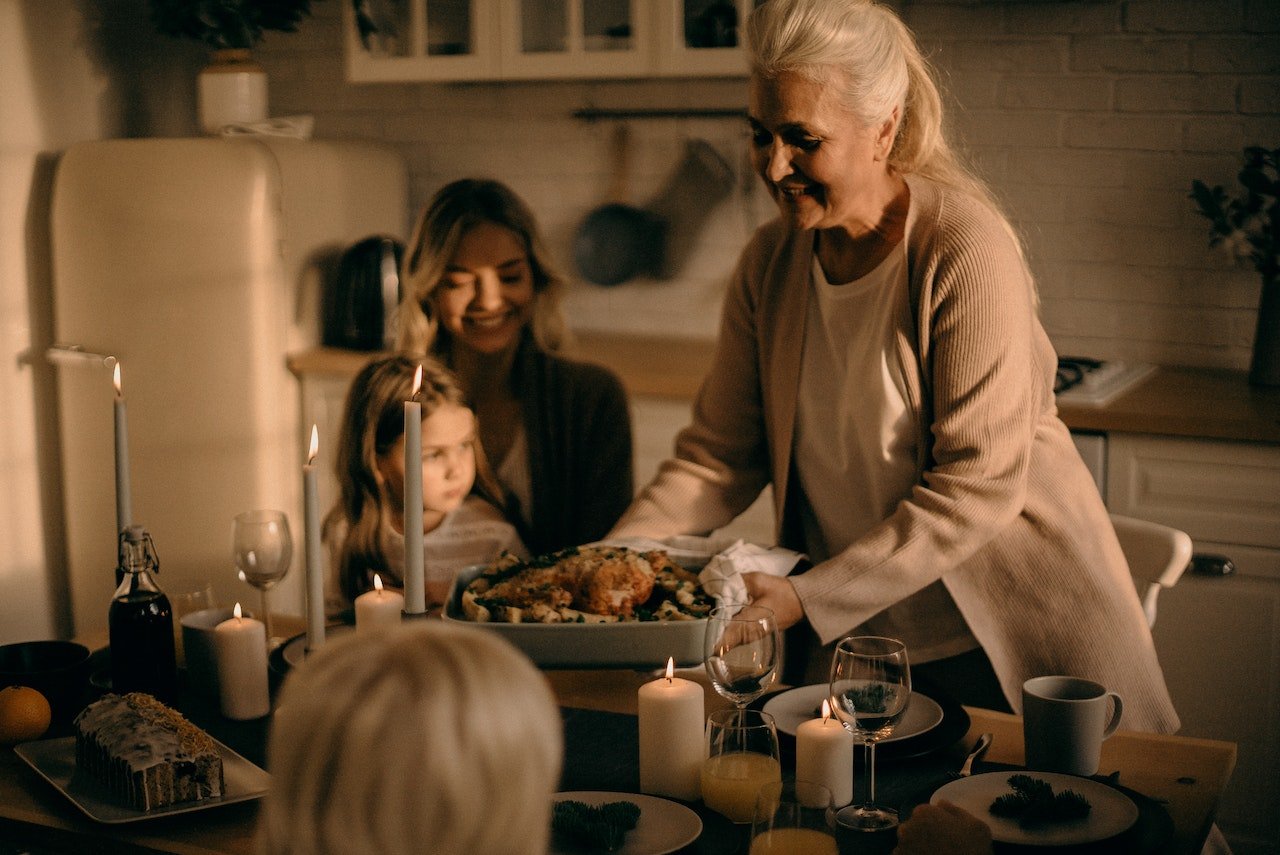
Readiness is not about having everything figured out. Many foster parents describe a growing sense of purpose. They may still have questions, but they choose to move forward and learn along the way.
Feeling nervous is normal. Many see it as a sign of understanding the responsibility. The key question is not full preparedness. It is a willingness to take the next step. An information session, a foster care agency, or licensing requirements can help you understand what fostering involves and whether it fits your goals.
Moving Forward With Confidence
Becoming a foster parent is a meaningful way to protect children who need safety and care. No one starts with all the answers. Most foster parents share deep patience and a willingness to learn.
If these signs feel familiar, exploring foster care could be a worthwhile next step. Every child deserves to feel safe and supported. Caring adults help make that reality possible. Fostering is not about achieving perfection. It is about being present and committed to making a difference, one child at a time.
Learn More About Foster Care
Finding the right guidance is the first step in exploring foster care. Courage Community Foster Care provides the necessary training and support to help you build a stable home. Contact them at 720-397-3387 to learn more.

Recent Comments