
When a child first enters your home through foster care, it’s a moment filled with joy, nervousness, hope, and sometimes fear. You’ve spent weeks, maybe even months, preparing your home, attending training sessions, and waiting for the call. And now, it has finally happened. The child has arrived.
But once the initial excitement settles, many foster parents find themselves wondering what happens next. What are the next steps? Who gets involved? How can you help this child adjust? Understanding what to expect after placement can bring comfort and confidence as you begin this journey together.
The First 24 Hours: Welcoming and Stabilizing

The first day is all about creating a sense of safety. Most children entering foster care have faced instability, loss, or trauma. When they walk through your door, they’re stepping into the unknown. Your calm, kind presence matters more than anything else right now.
Keep things simple. Offer food, warmth, and rest. Avoid asking too many personal questions right away. Allow them to explore their new environment at their own pace. A quiet meal, a tour of the house, or a chance to pick out where they want to sleep can make the world feel a little safer.
During this time, you’ll also receive important paperwork about the placement, including medical information, case details, and contact information for the child’s caseworker. It’s helpful to review these documents early so you can be prepared for any immediate needs or appointments.
The First Week: Meeting the Team
Foster care is a team effort. Within the first week, you’ll begin connecting with the people involved in the child’s case. The caseworker or social worker will likely schedule a visit to your home to ensure that both you and the child are adjusting well. This is not an evaluation, but an opportunity for support and communication.
You may also meet other professionals such as the child’s guardian ad litem, therapist, or school personnel. If the case involves reunification, you’ll learn about scheduled visits with the child’s birth family. Each of these individuals plays an important role in helping the child heal and move toward stability.
It’s normal to feel overwhelmed during this time. Communication is key. Don’t hesitate to reach out to your caseworker with any questions or concerns. Remember, you’re not expected to have all the answers right away.
The First Month: Building Routines and Connections
After the initial adjustment, the focus shifts toward creating structure and stability. Children in foster care often struggle with uncertainty, and predictable routines help rebuild their sense of safety. Establish consistent mealtimes, bedtime routines, and daily schedules.
During this period, you may also work on school enrollment or transitions if the child is changing schools. You’ll attend meetings, share what’s appropriate about their background, and help teachers understand how to support their needs. Medical appointments or therapy sessions might begin as well, guided by your caseworker.
Within the first month, you’ll likely attend a case plan meeting. This meeting brings together the foster family, the caseworker, and the birth family to discuss the child’s needs and long-term goals. Most cases begin with a plan for reunification, but this can evolve depending on circumstances.
Ongoing Visits and Check-Ins
Regular visits from your caseworker will continue throughout the placement. These visits may happen once a month or more frequently, depending on the situation. They’re designed to ensure that the placement is stable and that the child’s emotional, physical, and educational needs are being met.
If the child has visits with their birth parents, these will be arranged and supervised by the agency. These moments can be emotional for everyone involved. It’s common for children to show changes in behavior before or after family visits. Patience, reassurance, and consistency will help them navigate these feelings.
You’ll also be asked to document updates such as medical visits, school progress, or behavioral observations. These records help the caseworker advocate for the child and provide valuable insight during court hearings or case reviews.
Supporting Emotional Healing

Even if a child appears calm or cheerful, remember that every foster child carries a story of loss. They may grieve for their parents, their home, or simply the sense of normalcy they once had. Grief in children can appear as sadness, defiance, or even silence.
Your response to these emotions can make a lasting difference. When children express fear or frustration, meet them with empathy rather than punishment. Building trust takes time and patience. Let them know it’s okay to feel upset, and show through your actions that you won’t give up on them.
Small gestures, like keeping promises, allowing choices, and celebrating small accomplishments, can make a big impact. Therapy can also play an important role in healing. If the child is seeing a counselor, stay involved and ask how you can reinforce strategies at home. Healing doesn’t happen overnight, but with time and consistency, children begin to feel secure again.
Navigating Uncertainty and Change
One of the hardest parts of foster care is living with uncertainty. The child’s case plan may change as new information emerges or as progress is made with the birth family. Some placements lead to reunification, while others move toward adoption or guardianship.
These shifts can be emotionally challenging, especially when deep bonds have formed. However, it’s important to remember that your role as a foster parent is to provide love and stability during this chapter of the child’s life.
If reunification is the goal, your agency will help create a transition plan to ensure the child moves back safely and gradually. If adoption becomes possible, you’ll receive guidance and support through the legal and emotional process. Whatever the outcome, your care has played a crucial part in that child’s healing journey.
Caring for Yourself
Foster parenting is deeply rewarding, but it can also be emotionally draining. Supporting a child through trauma takes patience, energy, and compassion. To continue showing up fully, you must also care for yourself.
Watch for signs of compassion fatigue such as irritability, exhaustion, or emotional numbness. When these feelings arise, reach out for support. Attend foster parent support groups, talk to a counselor, or take time to rest. Self-care is essential. Find moments to recharge, whether that means spending time outdoors, reading, or connecting with friends. Celebrate your small victories and acknowledge the progress you and the child have made together. You don’t have to be perfect; being present and willing to learn is more than enough.
The Bigger Picture: Hope and Healing
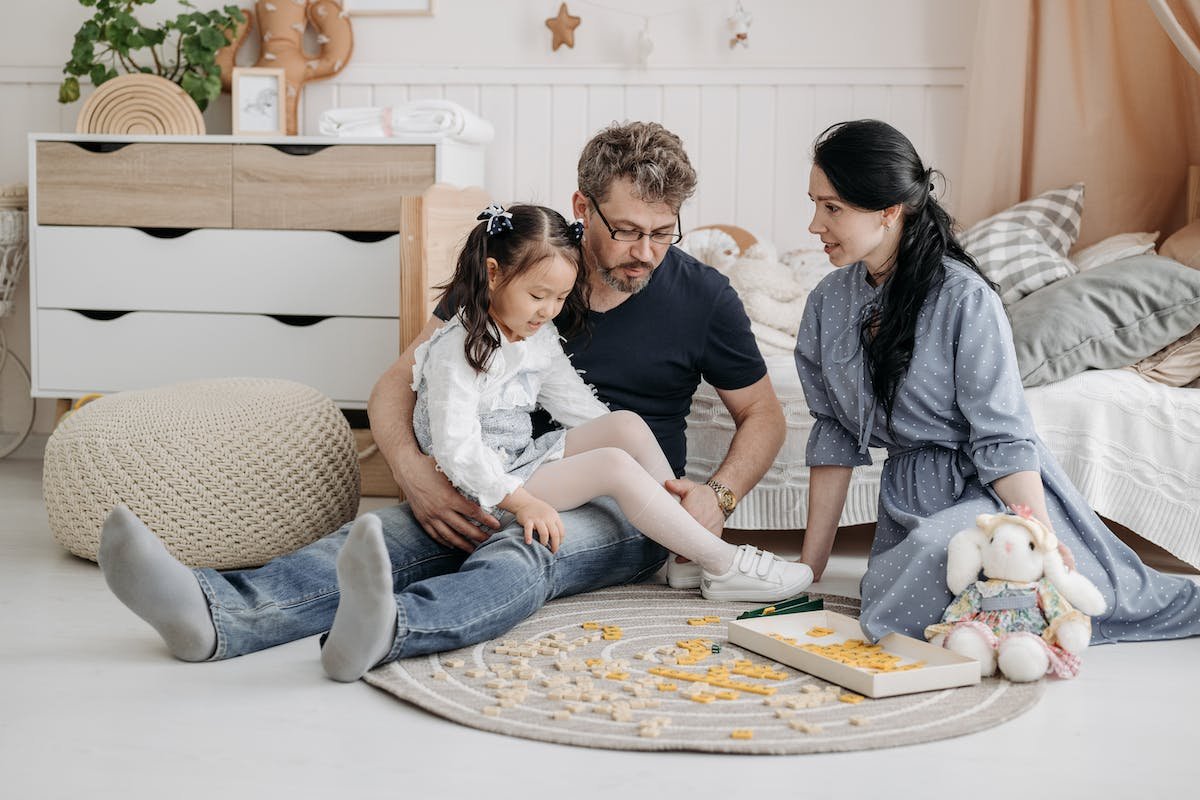
No two placements are the same. Each child arrives with unique experiences, and each foster parent brings a unique heart to the journey. The days can be hard, but the impact you make is immeasurable. For a child who has felt unseen or unsafe, your consistency becomes a foundation for healing.
Foster care is not about rescuing, but about restoring. It’s about standing beside a child during one of the most uncertain times in their life and showing them that love, safety, and belonging are possible. Even if the placement is temporary, the kindness you offer leaves a lifelong mark.
Opening Your Heart and Home
Becoming a foster parent is more than providing a home. It’s offering hope, healing, and love to a child who needs it most. Learn how you can start your foster care journey with Courage Community Foster Care today. Visit fostercourageco.org to get involved or begin the application process.

Recent Comments